Collagen and gelatin are closely related supplements often used to support a holistic diet. Here’s how they’re different, what they each do best, and how to choose the best option for your routine.
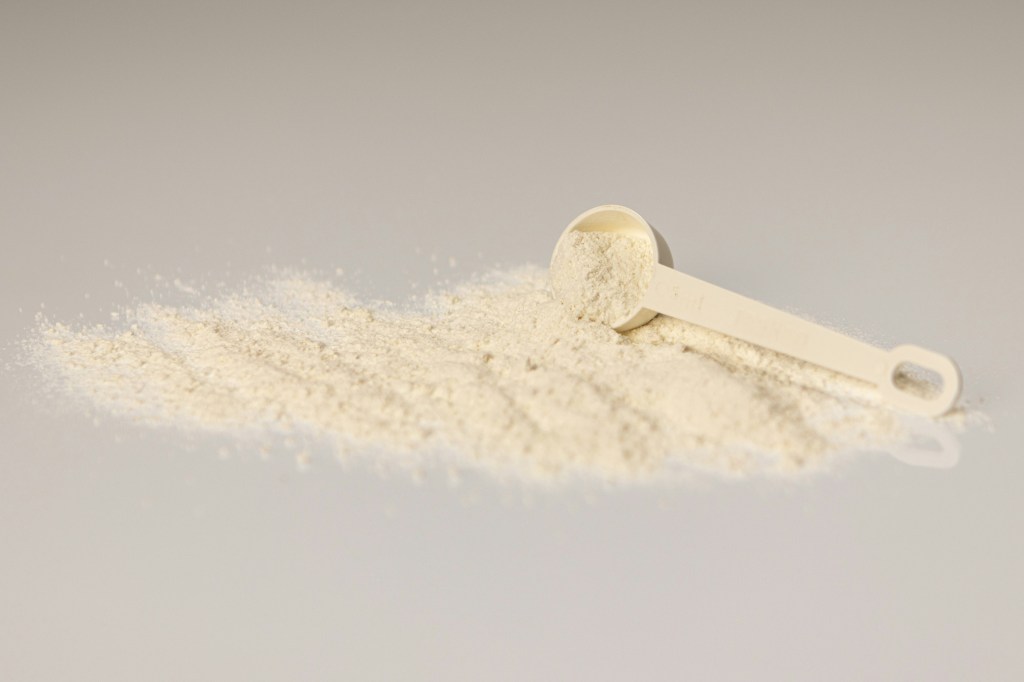
The eating-your-skincare conversation has made collagen and gelatin two of the most-mentioned wellness supplements for skin, hair, and gut support. They both come from the same source and offer similar building blocks for the body, yet they aren’t interchangeable in how they’re used or experienced. If you’re choosing between collagen powder and gelatin, the better option depends on your lifestyle, your preferences, and what kind of support you want to prioritize.
This guide breaks down the difference so you can make an informed decision towards building a sustainable routine.
What Is Collagen?
Collagen is the most abundant structural protein in the body, and is typically sourced for supplements from connective tissues, hides, and cartilage of animals like cows, pigs, fish and poultry. Most collagen supplements are sold as hydrolyzed collagen, which means the protein has been broken down into smaller peptides to improve miscibility and absorption.
Because collagen peptides are flavorless and quick to mix, many people prefer collagen for daily use. It blends effortlessly into coffee, smoothies, matcha, oatmeal, or even water. This ease of use makes collagen a popular option for anyone looking for a low-effort method of supporting their glow routine without significantly changing how they eat.
What Is Gelatin?
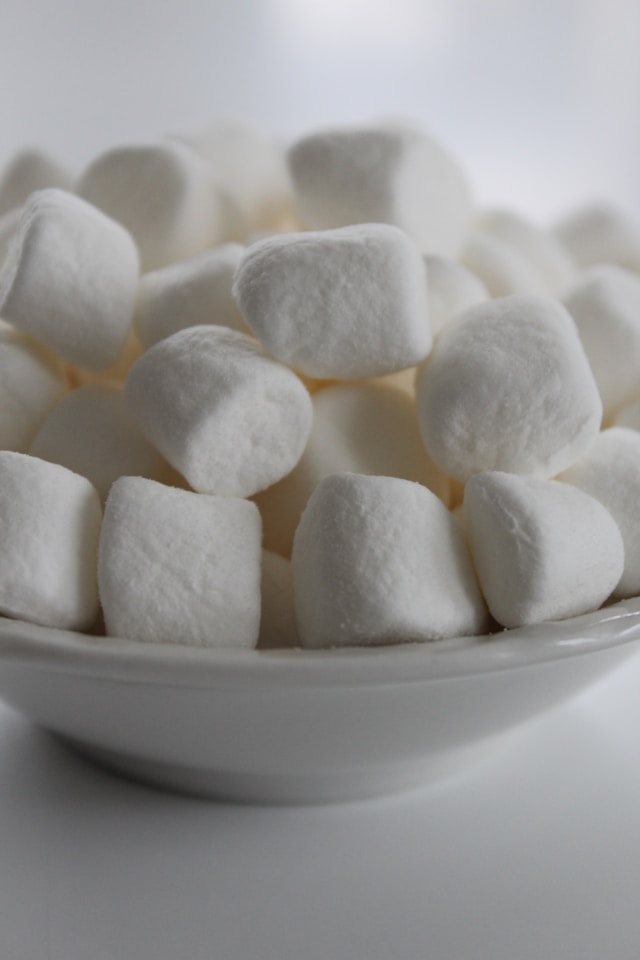
Gelatin is most widely recognized as the ingredient that gives marshmallows their fluffy, squeezable texture, Jello dessert its well-known jiggle, and gummy candies their chew. You can find it in powder, sheet, and cube forms, made from collagen-rich animal tissues like bovine bones and hides, marine skin, or poultry connective tissue that have been slowly simmered to extract their natural proteins. As the liquid cools, those proteins set into a gel, giving gelatin its signature thickening quality.
From a wellness perspective, gelatin offers many of the same amino acids as collagen. The difference is really more functional than nutritional. They perform their best at opposing temperatures, making the world your oyster. Gelatin can feel more grounding and ritual-oriented because of its use in warm, nourishing recipes like broths or cozy evening desserts. Those who enjoy cooking or want their supplement routine to feel more like a ritual, gelatin may be exactly what you’re looking for.
How They Compare for Skin, Hair, and Gut Support
Both collagen and gelatin provide amino acids that the body uses as building blocks for structural proteins. People often include them in routines that focus on skin elasticity, hair and nail strength, and general gut comfort. Neither is a miracle product and results vary based on overall diet, hydration, sleep, and consistency.
Collagen is typically chosen for convenience. It is easy to take daily and doesn’t change the texture of foods or drinks. Gelatin is often chosen for its soothing, food-based applications, especially in warm beverages or broths that feel comforting to the digestive system.
Which One Should You Choose?
Choose collagen if:
- you want something easy to add to drinks or meals
- you prefer a neutral taste and texture
- you want a simple daily habit that supports your health and vitality
Choose gelatin if:
- you’d like making broths, gummies, or cozy recipes
- you want your supplement routine to feel like
- you like the idea of incorporating traditional food practices into your wellness routine
You can also use both, collagen for its overall convenience and gelatin for occasional ritual-style nourishment.
Where Bone Broth Powders Fit In
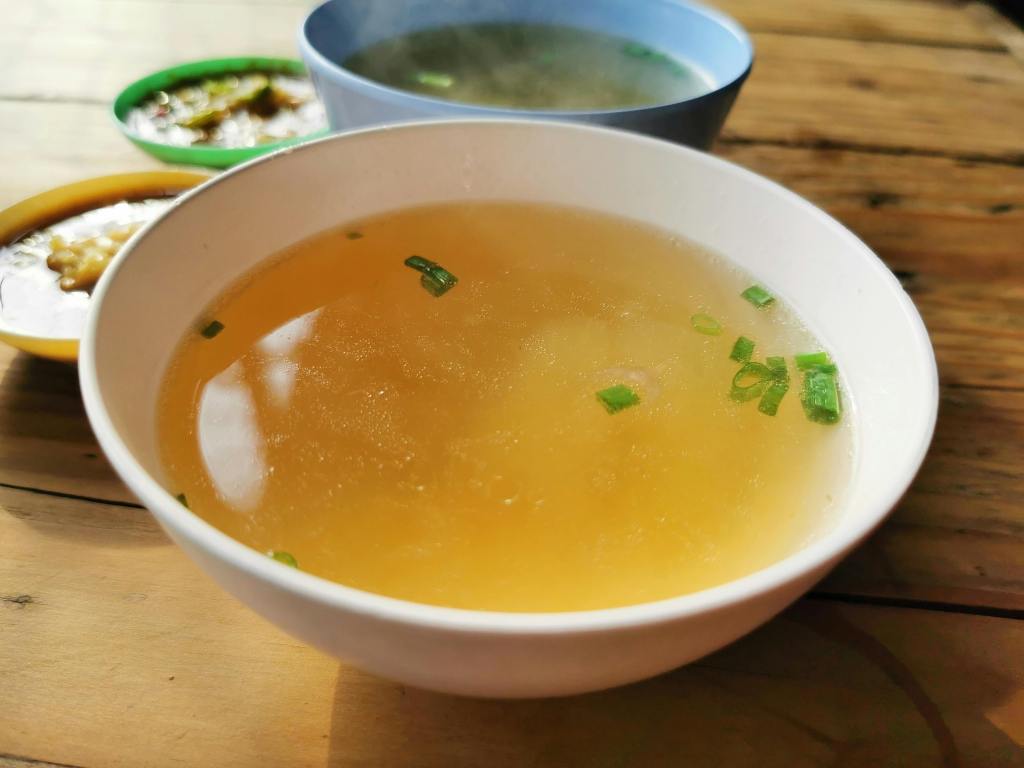
The first time I heard someone praising bone broth hot chocolate, I gagged a little. It sounded like a meaty, forbidden dessert to me, but the number of people who swear by it—and bone broth powder in general—grows daily.
Bone broth powder, a dehydrated form of slow-simmered bone broth, often comes up in this conversation because it’s marketed as a more “whole-food,” less processed way to get the amino acid profile of collagen and gelatin, with the added benefit of trace minerals and compounds that come from slow-simmered bones. While collagen and gelatin offer a more concentrated dose of specialized amino acids and proteins linked to connective tissue support, bone broth powders offer a more food-adjacent option that fits into savory recipes like broths and soups–or, for the adventurers, hot chocolate. It is generally lower in protein than collagen and gelatin.
How to Add Either to Your Routine
Collagen powders mix well into hot or cold drinks, smoothies, and soft foods. Gelatin works best in warm liquids and recipes that allow it to bloom and dissolve properly.
Whether you choose collagen, gelatin, bone broth powder, or thoughtfully incorporate all three, the goal is always slow, steady consistency over perfection. Think of small, steady gestures of care, like a scoop stirred into coffee, a spoonful whisked into soup, or a recipe made with intention. Choose the format that fits seamlessly into your routine, source it well, and let it support you quietly.
Glow-from-within rituals are built through consistent, intentional practices. Subscribe to the Gloss and Ritual newsletter for ingredient guides, nourishing routines, and thoughtfully curated finds designed to support every season of you.
 Gloss & Ritual
Your comment here