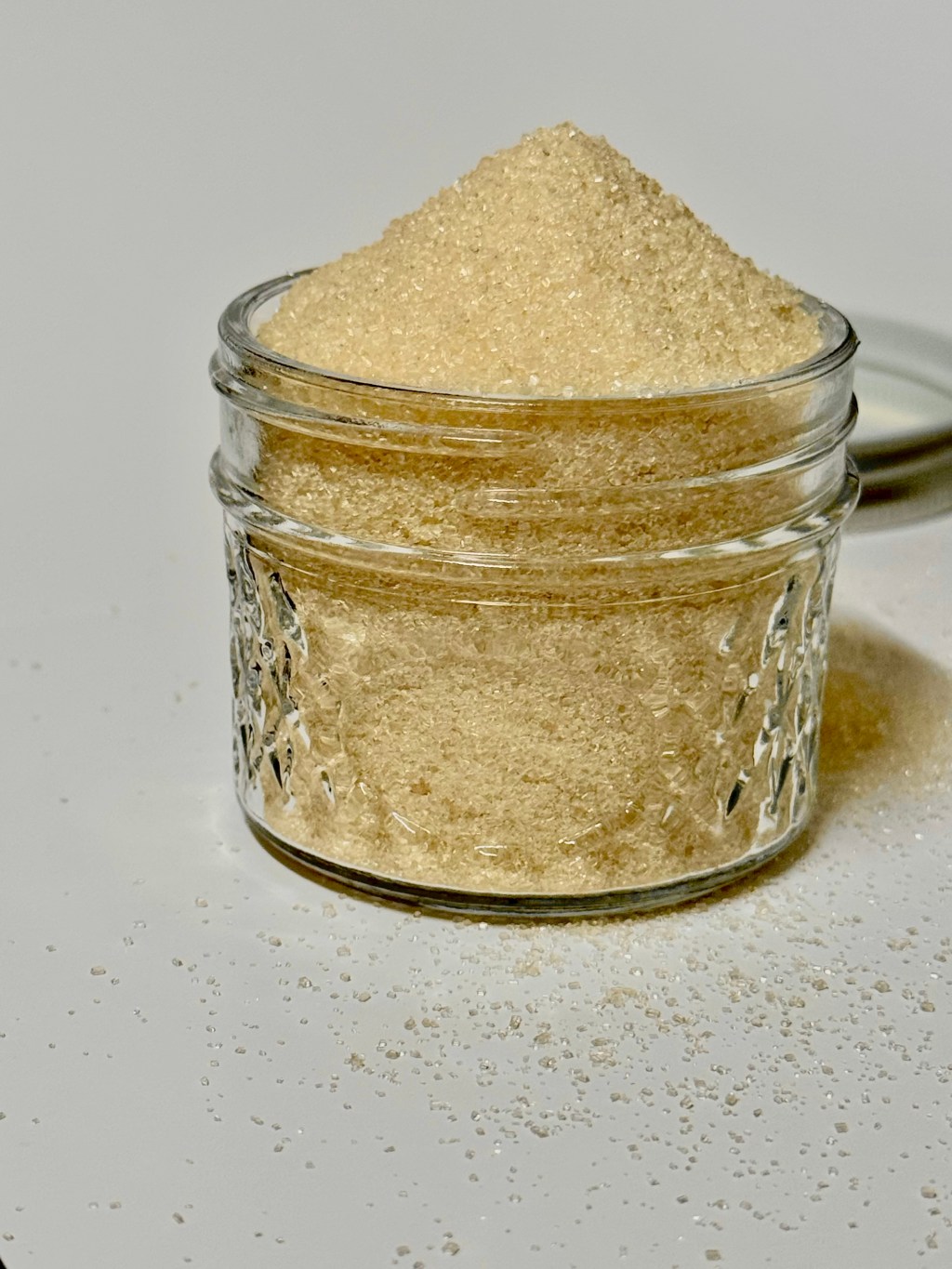
A new generation has helped this traditional ingredient return to kitchen cabinets in a new role—a modern beauty and wellness supplement. Here is how gelatin fits into your skin, hair, and gut support routine without overcomplicating your rituals.
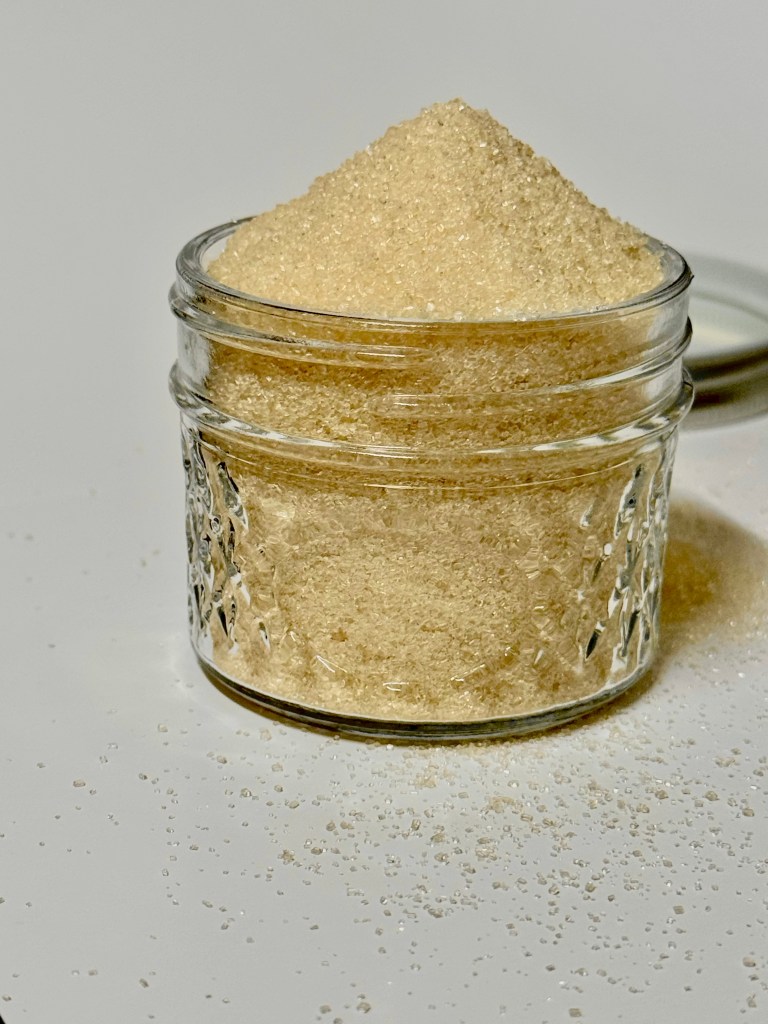
Eating your skincare has become more than a trend. Once a novel topic, beauty nutrition has found its way into our daily rituals, reflecting a return to foundational nourishment and a growing awareness that what we consume shows in the way we look and feel. As people become more ingredient literate and less interested in complex routines, many are revisiting traditional supplements that have quietly supported wellness for generations. Gelatin is one of those underrated staples that continues to earn a place in contemporary rituals.
Unlike flashy powders with long, hard-to-pronounce ingredient lists, gelatin is refreshingly simple. You’re most likely to find it in gummy candies, marshmallows, set desserts (hello, Jello!) and home kitchens in many cultures. Today, it’s gaining renewed interest among beauty foodies focused on developing resilient skin, stronger hair, and a healthy digestive system, all without the pressure of expecting dramatic or unrealistic results.
Understand, this isn’t about a quick fix. Adding gelatin to your diet might not grow your hair six inches in a month, but it is widely reported to lend familiar, accessible, and time-tested support to your body’s natural structure. Keep reading to find out how.
What is Gelatin, Exactly?

Gelatin is a protein obtained from collagen found in the bones, hides, and connective tissues of animals—namely cows, pigs, and fish. Through a heating and extraction process, collagen breaks down into gelatin, creating a substance that dissolves in warm liquids and sets as it cools.
Gelatin is a close relative of collagen powder, but they aren’t interchangeable. Both originate from collagen, but they behave differently in everyday preparations. Gelatin comes in a variety of forms, dissolves in warm liquids, and thickens and gels when cooled, making it sought after for use in cooking and baking. Collagen peptides are more processed, remain liquid in cold drinks, and are designed to dissolve easily in smoothies and water.
For those drawn to food-based wellness, gelatin often feels more like a traditional ingredient than a modern supplement.
Potential Beauty and Wellness Benefits
Rather than positioning gelatin as a treatment, it is more accurate to frame it as a supporting ingredient that you can incorporate into your daily routine. Here are a few benefits that may help you along in your decision to give it a try:
Skin and Elasticity Support
Gelatin contains amino acids like glycine and proline that contribute to the body’s structural proteins, including natural collagen. Many people include it as part of their beauty-from-within approach—combining it with a balanced diet, hydration, and consistent skincare habits—to support skin resilience.
Hair and Nail Strength
Keratin, the primary protein found in hair and nails, relies on amino acids similar to those found in gelatin. While their experiences vary, some people use gelatin as part of a long-term effort intended to support stronger-feeling hair and nails.
Gut Comfort
Gelatin has been used in traditional foods like bone broths and slow-cooked stocks for generations. These preparations were often chosen for their soothing, easy to digest qualities. Today, some people find gelatin-based foods comforting, and look to gelatin as a nourishing solution for digestive ease.
How to Take Gelatin
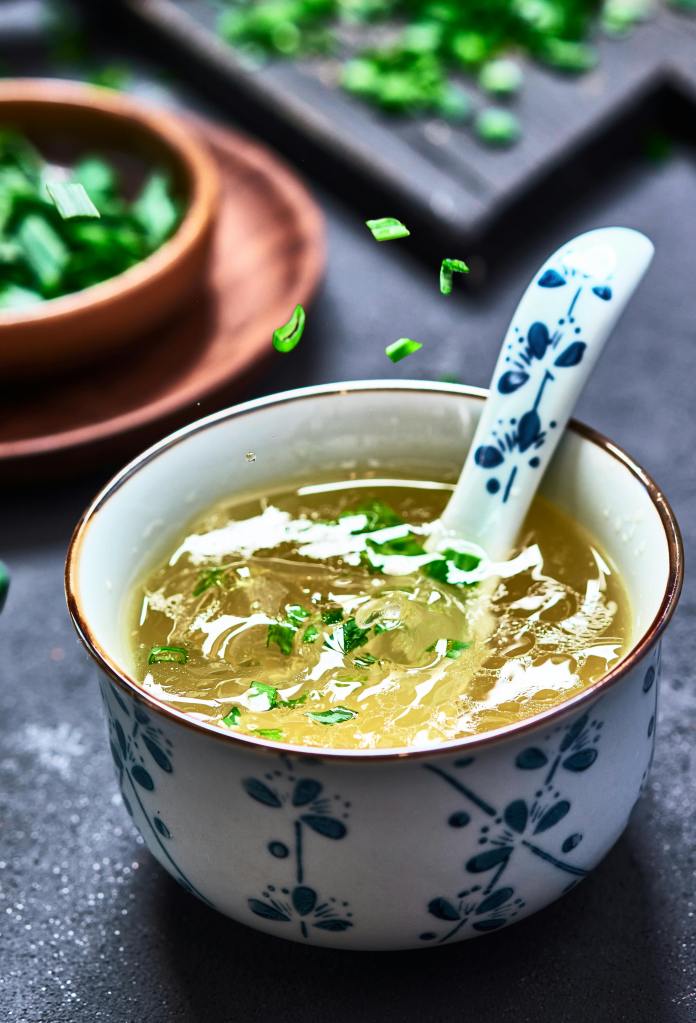
One of gelatin’s strengths is its versatility. It can be incorporated into everyday routines without requiring a total lifestyle overhaul. Gelatin powder dissolves best in warm liquids like tea, coffee or hot chocolate, and it can be blended into soups, oatmeal, and homemade gelatin treats. Just remember, it sets when it’s chilled! Starting with a small amount can help you gauge how it fits into your routine and preferences.
Alternative Options
If you’re not into the texture or preparation of gelatin, there are similar options that offer similar amino acid building blocks in more forms you may find more convenient, like collagen powders or bone broth powders. Not sure of the differences between the three? Check out this post to help decide which is best for you. These alternatives can be easier to incorporate into smoothies or cold drinks while reaping similar benefits.
Who Might Consider Using It
People focused on skin resilience and elasticity, hair care, and digestive health may find gelatin appealing, especially those who appreciate traditional or food-based wellness routines. It fits naturally into practices that prioritize warmth, consistency, and intentional nourishment.
As with any supplement, individual needs and results will be different. If you’re managing a health condition, are pregnant, or have specific dietary restrictions or needs, please remember to consult a qualified healthcare professional before adding something new to your routine. A sustainable wellness practice is built on purpose, not on impulse.
If you’re drawn to simple, supportive rituals that nourish from the inside out, there’s more waiting for you. Subscribe to the Gloss and Ritual newsletter for thoughtful beauty nourishment insights, ingredient education, and curated finds designed to support a life that glows with intention.
 Gloss & Ritual
Your comment here